Don't Let Winter Win: A Toronto Homeowner's Guide to Preventing Ice Dams
A classic Toronto winter is a beautiful thing, but it can be tough on our homes. While we're inside enjoying the cozy warmth, a battle may be brewing on our rooftops. One of the most common and destructive winter problems homeowners face is the formation of ice dams. These thick ridges of ice along the edge of a roof can cause serious water damage to your ceilings, walls, insulation, and even the structural integrity of your home.
The good news is that ice dams are almost always preventable. They aren't just a random occurrence; they're a clear sign of a problem with your home's thermal performance. In this guide, we'll break down what causes ice dams, how to spot them, and the long-term solutions to protect your home for many winters to come.
Understanding the Enemy: What Exactly is an Ice Dam?
Contrary to what many believe, ice dams aren't caused by faulty eavestroughs or simply by heavy snowfall. They are the result of a temperature imbalance across your roof's surface. Here’s how it happens:
- Heat Escapes: Warm air from your living space leaks into the attic. If the attic floor isn't properly insulated and air-sealed, this heat rises and warms the underside of your roof deck.
- Snow Melts: The snow on the upper, warmer part of your roof melts, even when the outside temperature is well below freezing. This meltwater runs down the slope of the roof.
- Water Refreezes: When the water reaches the colder edge of the roof (the eaves and overhangs, which aren't heated from the attic below), it refreezes.
- A Dam is Formed: As this process repeats, a thick ridge of ice—an ice dam—builds up along the eaves. This dam traps the melting water behind it, creating a small pool on your roof.
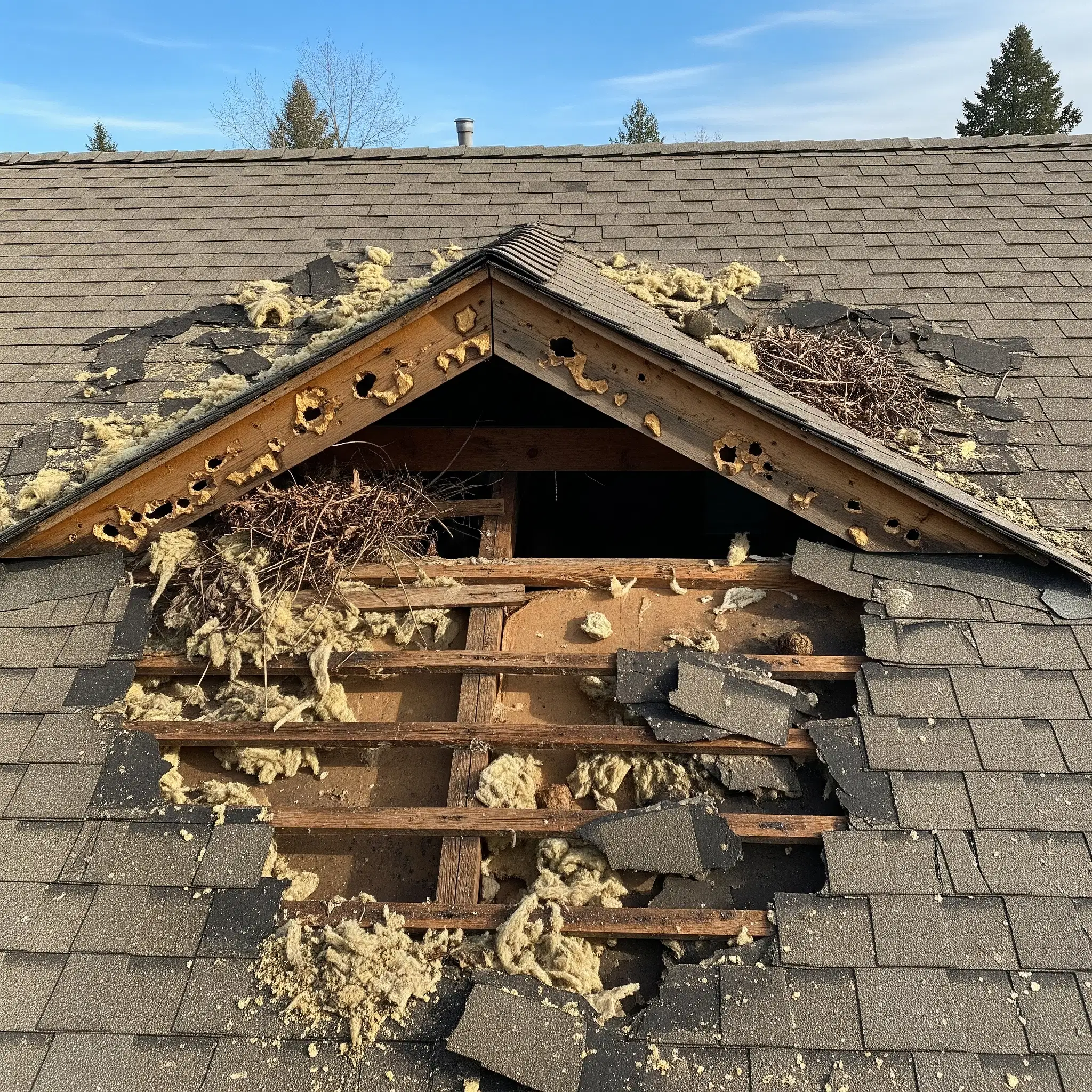
This trapped water has nowhere to go but up. It seeps underneath your shingles, which are designed to shed water, not hold it back. From there, it can leak into your attic and find its way into your home, causing significant and costly damage.
The Permanent Fix: A Three-Pronged Prevention Strategy
While emergency steam removal can deal with an existing ice dam, it's a temporary fix for a recurring problem. True prevention addresses the root cause: the heat loss that starts the melting-and-freezing cycle. A comprehensive solution focuses on three key areas.
1. Superior Insulation
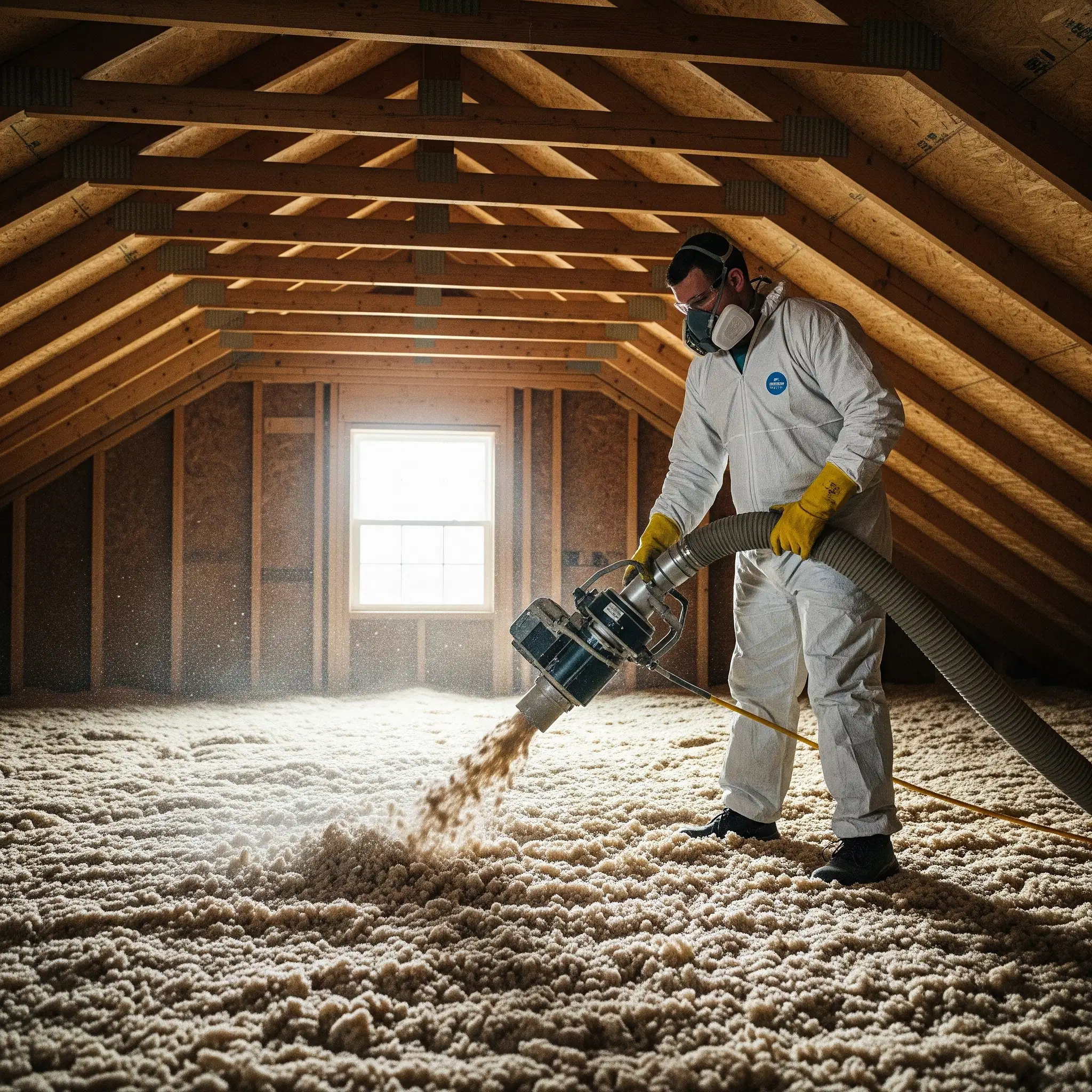
The most critical step is to stop heat from escaping into your attic in the first place. A thick, continuous layer of insulation on your attic floor acts like a warm blanket for your home, keeping the conditioned air where it belongs. This not only prevents ice dams but also significantly improves your home's energy efficiency, leading to lower heating bills. The goal is to have an attic that is the same temperature as the air outside.
2. Proper Ventilation
Insulation works hand-in-hand with ventilation. A well-ventilated attic allows cold outdoor air to circulate, keeping the roof deck consistently cold from eaves to peak. This is typically achieved with a balanced system of intake vents in the soffits (the underside of your roof's overhang) and exhaust vents at or near the roof's ridge. This constant airflow removes any small amount of heat that does escape, ensuring the entire roof surface stays below freezing and preventing snow from melting.
3. Meticulous Air Sealing
Even with great insulation, small gaps and cracks can allow a surprising amount of warm air to leak into the attic. These bypasses often occur around light fixtures, plumbing stacks, bathroom fans, and the attic hatch itself. Sealing these gaps with caulk, foam, or other appropriate materials is a crucial detail that ensures your insulation and ventilation can perform at their best.
What NOT to Do: Common and Costly Mistakes
When faced with a massive wall of ice on their roof, homeowners can sometimes resort to desperate measures that do more harm than good. To protect your investment, avoid these common mistakes:
- Don't Use Salt: Spreading rock salt or calcium chloride on your roof can damage shingles, corrode metal eavestroughs and flashing, and harm the plants below.
- Don't Use Force: Never try to chip or break the ice away with a hammer, axe, or shovel. You are far more likely to damage your shingles and create a leak than you are to solve the problem.
- Don't Ignore It: An ice dam is a clear warning sign. Ignoring it can lead to thousands of dollars in water damage repairs. It's essential to address both the immediate ice buildup and the underlying cause.
Dealing with ice dams is about creating a home that's truly prepared for our Canadian winters. By focusing on the long-term solutions of insulation, ventilation, and air sealing, you can protect your property, save on energy costs, and gain peace of mind.
Protect Your Home This Winter
Ice dams are more than just a winter nuisance; they're a serious threat to your home's health and value. Understanding the cause is the first step toward a permanent solution. By ensuring your attic is properly insulated, ventilated, and sealed, you can prevent ice dams from ever forming.
If you're seeing the warning signs or want to proactively protect your property, the team at Seb Test 18 is here to help. We specialize in comprehensive roofing solutions that stand up to Toronto's toughest weather. Contact us today for a thorough inspection and to learn more about our services designed to keep your home safe, warm, and dry all winter long.